5 Warning Signs Your Eyes Give About Your Overall Health
Your eyes do more than help you see-they also act as a window to your overall health. Many systemic conditions such as high cholesterol, stress, hypertension, vitamin deficiencies, and diabetes can show early signs through your eyes. Unfortunately, these signs are often ignored because people assume they are minor or temporary.
Recognizing these early warning signals can help you get timely treatment, prevent complications, and protect both your vision and your general well-being. Here are five important warning signs your eyes may be giving you about your systemic health.
1. Xanthelasma: Yellowish Deposits Around the Eyelids
If you notice soft, yellowish patches around your eyelids, this condition is called Xanthelasma. While it may look like a cosmetic issue, it is often a sign of high cholesterol levels in the body.
These fatty deposits indicate that cholesterol is accumulating not only around your eyes but possibly in your blood vessels as well. This increases the risk of:
- Heart disease
- Stroke
- Blocked arteries
If you see such deposits, it’s important to get a lipid profile test done and consult your doctor. Early detection can help you control cholesterol levels and prevent long-term cardiovascular problems.
2. Eyelid Twitching: A Sign of Stress and Fatigue
Frequent or persistent eyelid twitching, also called myokymia, is another warning sign your eyes may give you. While occasional twitching is normal, continuous or bothersome twitching indicates:
- High stress levels
- Anxiety
- Lack of sleep
- Excessive screen time
- Eye strain
This is your body’s way of telling you to slow down and rest. Reducing caffeine, improving sleep habits, taking screen breaks, and managing stress can significantly reduce eyelid twitching.
If the twitching lasts for weeks or affects your entire face, it’s best to visit an eye specialist for further evaluation.
3. Sudden Worsening of Dark Circles
Dark circles are extremely common, but if you notice they are rapidly worsening, it may be more than just tiredness. Dark circles can be linked to:
- Sleep deprivation
- Excessive screen exposure
- Chronic fatigue
- Vitamin deficiencies (especially B12, D, iron)
- Dehydration
When dark circles develop suddenly or become darker without any major lifestyle change, it may be a sign that your body is lacking essential nutrients. In such cases, a blood test can help identify deficiencies so you can correct them early.
4. Subconjunctival Hemorrhage: Sudden Red Patch in the Eye
A subconjunctival hemorrhage looks alarming-like a bright red blood patch on the white part of your eye. While it is usually painless, it can sometimes indicate an underlying health issue.
Possible causes include:
- Elevated blood pressure (hypertension)
- Blood clotting disorders
- Excessive straining or coughing
- Trauma
- Certain medications like blood thinners
If this bleeding occurs repeatedly or without any obvious reason, it is essential to get your blood pressure and blood clotting profile checked. Ignoring it may put you at risk of more serious systemic conditions.
5. Sudden Blurred Vision: A Critical Warning Sign
Sudden or temporary blurry vision should never be ignored. It may indicate a serious problem with your retina, such as:
- Bleeding in the retina
- Diabetic retinopathy
- Swelling in the retina (macular edema)
- Vascular blockages
- High blood sugar fluctuations
People with diabetes are especially at risk. Sudden blurred vision can signal progressive diabetic eye disease, which can lead to permanent vision loss if not treated on time.
A dilated retina examination is crucial to identify the cause. Along with eye evaluation, you may also need a full systemic check-up to rule out diabetes, hypertension, or other vascular conditions.
Why You Should Never Ignore Eye Warning Signs
Your eyes can reveal what is happening inside your body long before symptoms appear elsewhere. Early detection through eye examinations helps prevent:
- Vision damage
- Heart complications
- Stroke risk
- Uncontrolled diabetes
- Long-term systemic diseases
At Medilaser, we emphasize preventive eye care and advanced diagnostic techniques to detect these signs early and guide you toward the right treatment.
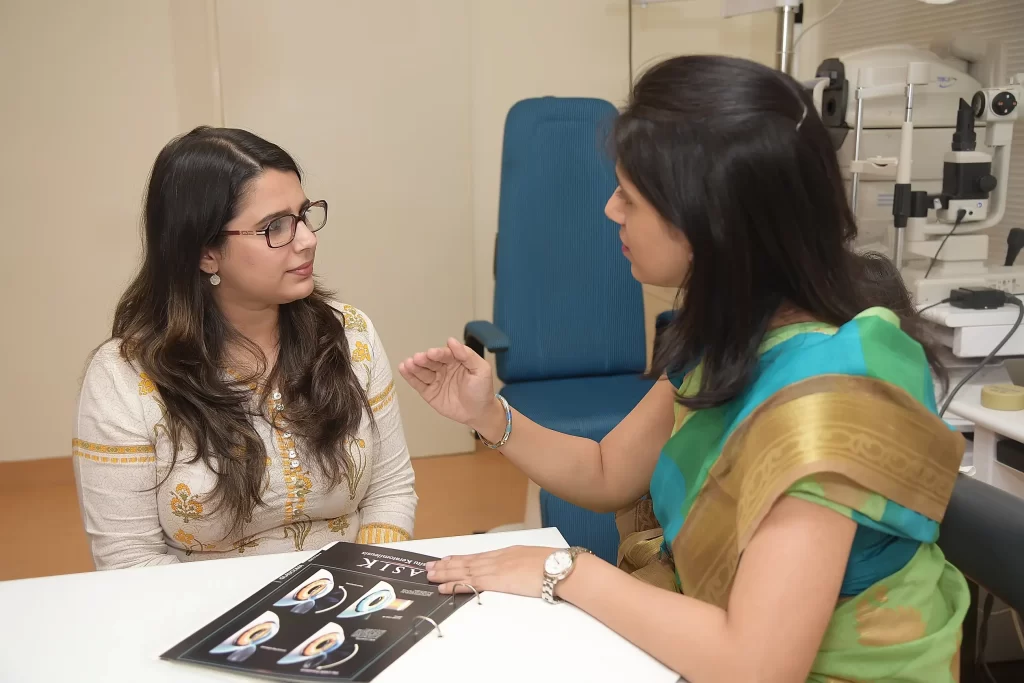
When to See an Eye Specialist
You should schedule an eye check-up if you experience:
- Persistent twitching
- Sudden vision changes
- Repeated redness or bleeding
- New yellow deposits on eyelids
- Rapidly darkening circles
- Any unusual symptoms in the eye
Timely evaluation protects both your eyesight and your overall health.