
Diabetes & Its Impact on Eye Health: Causes, Complications & Prevention
Diabetes is one of the fastest‑growing health concerns worldwide, and its effects extend far beyond blood sugar levels. One of the most overlooked complications of diabetes is its impact on eye health. From mild vision disturbances to irreversible blindness, uncontrolled diabetes can harm nearly every part of the eye.
In this blog, we’ll explore how diabetes affects the eyes, common diabetic eye diseases, early warning signs, treatments, and tips to protect your vision.
How Does Diabetes Affect the Eyes?
Key ways diabetes impacts eye health:
- Damages retinal blood vessels (diabetic retinopathy)
- Causes swelling in the retina (macular edema)
- Increases risk of cataract formation
- Raises chances of glaucoma (optic nerve damage)
- Can lead to fluctuating or blurry vision
Common Eye Problems Caused by Diabetes
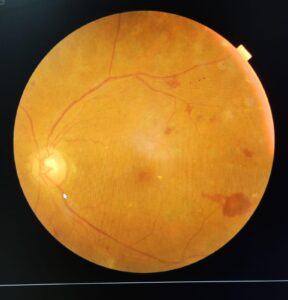
1. Diabetic Retinopathy
- The most common diabetic eye complication.
- Occurs when damaged retinal blood vessels leak fluid or bleed.
- Can cause spots, floaters, blurred vision, or total vision loss.
- Often develops without symptoms in the early stages.
2. Diabetic Macular Edema (DME)
- Swelling of the macula (central part of retina) due to fluid leakage.
- Leads to distorted vision and difficulty reading.
3. Cataracts
- People with diabetes are 2–5 times more likely to develop cataracts at an earlier age.
- Lens becomes cloudy, causing blurry vision.
4. Glaucoma
- Diabetes doubles the risk of glaucoma.
- Increased eye pressure damages the optic nerve, leading to vision loss.
5. Fluctuating Vision
- High sugar levels change the eye lens shape temporarily, causing blurry or unstable vision.
Early Symptoms You Shouldn’t Ignore
Watch out for these warning signs:
- Blurred or fluctuating vision
- Floaters or dark spots in vision
- Difficulty seeing at night
- Colors appearing faded or washed out
- Sudden loss of vision (medical emergency!)
Who Is at Risk?
- You have had diabetes for 10+ years
- Poorly controlled blood sugar levels
- High blood pressure or cholesterol
- Pregnant women with diabetes
- Family history of eye diseases
How to Prevent Diabetes‑Related Eye Problems
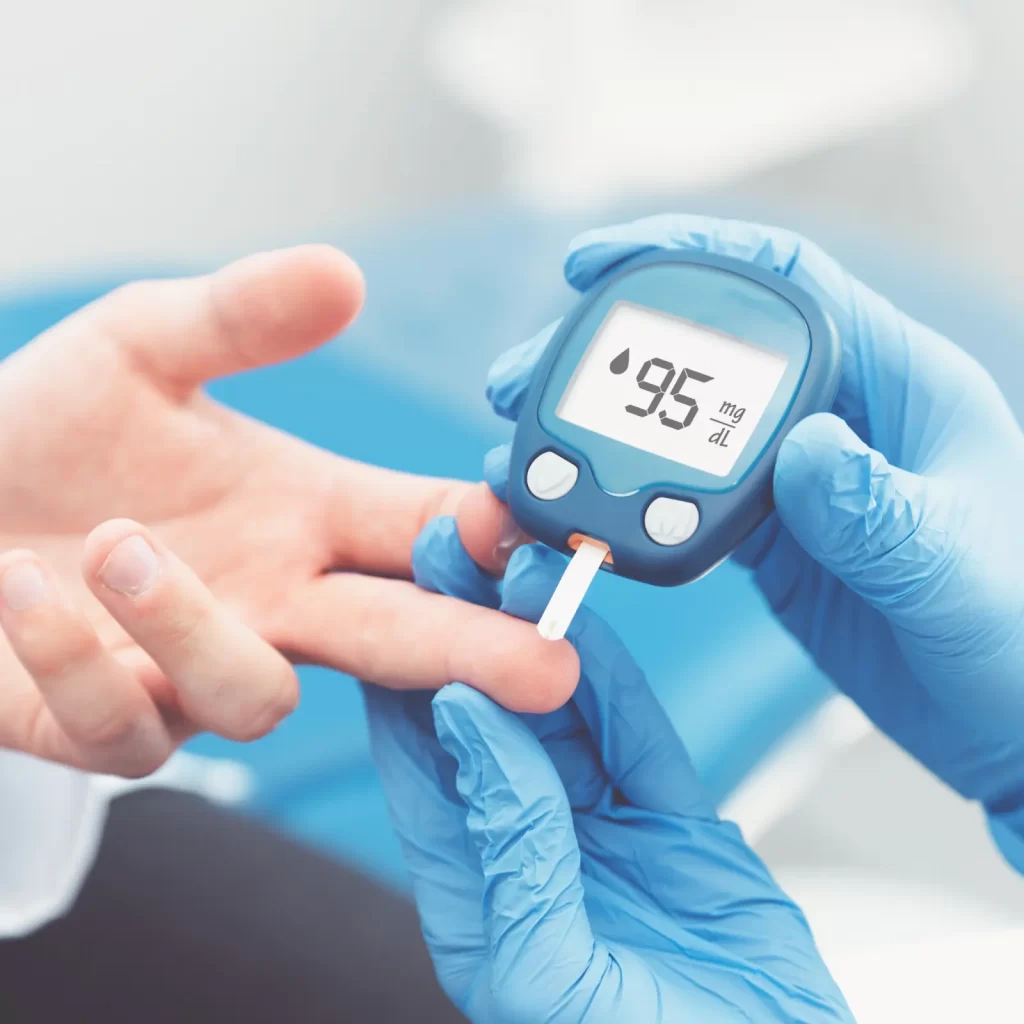
- Aim for HbA1c levels below 7% (as advised by your doctor).
- Monitor blood sugar regularly.
2. Manage Blood Pressure & Cholesterol

- High BP and cholesterol worsen eye complications.
- Follow a heart‑healthy diet and exercise plan.
3. Get Annual Eye Exams
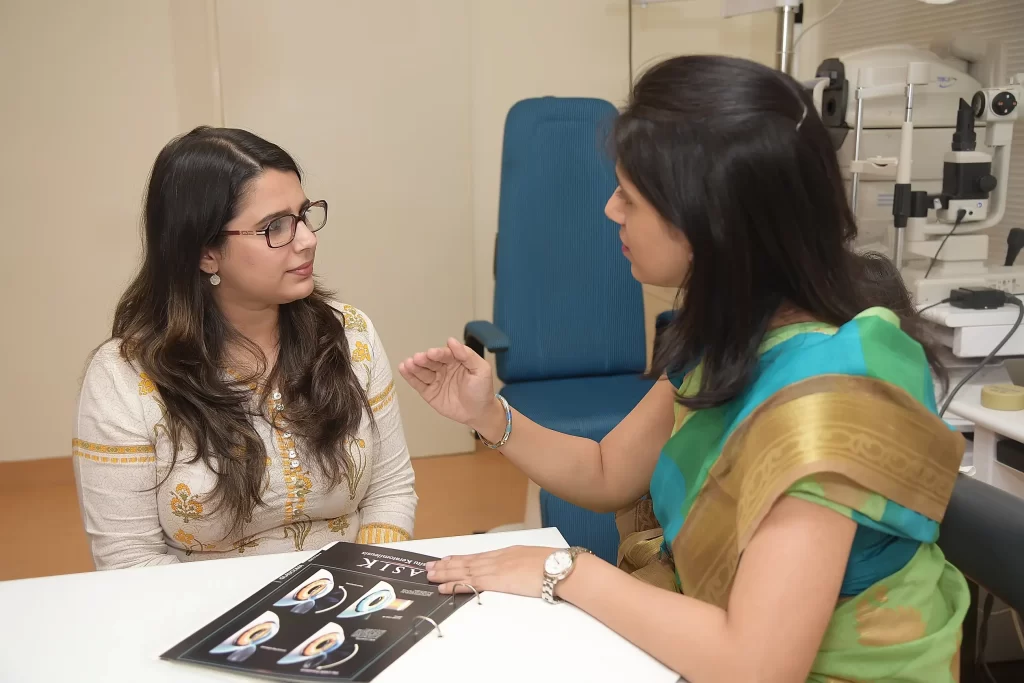
- Comprehensive dilated eye exams once a year (or more if advised).
- Detects early changes before vision loss occurs.
4. Quit Smoking

- Smoking worsens diabetic complications, including eye disease.
5. Follow a Healthy Lifestyle

- Balanced diet, regular exercise, and adequate hydration help protect vision.
Treatment Options for Diabetic Eye Diseases
1. Laser Photocoagulation
- Seals are leaking blood vessels to prevent further vision loss.
2. Anti‑VEGF Injections
- Reduces swelling and stops abnormal blood vessel growth in the retina.
3. Vitrectomy
- Surgical removal of blood or scar tissue from the eye.
4. Cataract Surgery
- Replaces the clouded natural lens with an artificial one.
5. Blood Sugar & Lifestyle Control
- Essential for slowing disease progression and improving outcomes.
Why Early Detection is Critical
- Many diabetic eye conditions are silent in early stages.
- By the time vision problems appear, damage may be irreversible.
- Regular screening allows early treatment and prevents blindness.
FAQs
No, but early detection and treatment can halt or slow progression.
At least once a year; more frequent if recommended by your ophthalmologist.
No, laser treatment is generally quick and painless, performed under local anesthesia.
Key Takeaways
- Diabetes can lead to serious vision problems and blindness.
- Eye diseases like retinopathy, macular edema, and cataracts are common complications.
- Control sugar, get regular eye exams, and seek timely treatment to protect your vision.