From Rare to Routine: How Lifestyle Changes Are Affecting Our Vision

Spotting a child or a young adult wearing glasses used to be a rarity. Today, it’s commonplace. Schools, offices, and public places are filled with individuals sporting prescription glasses or contact lenses. So, what has changed over time? Why has there been a surge in vision problems like myopia (nearsightedness), hyperopia (farsightedness), and digital eye strain?
In this blog, we explore the factors responsible for this shift, how lifestyle and technology are affecting eye health, and what you can do to protect your vision.
1. Digital Screens: The Biggest Culprit
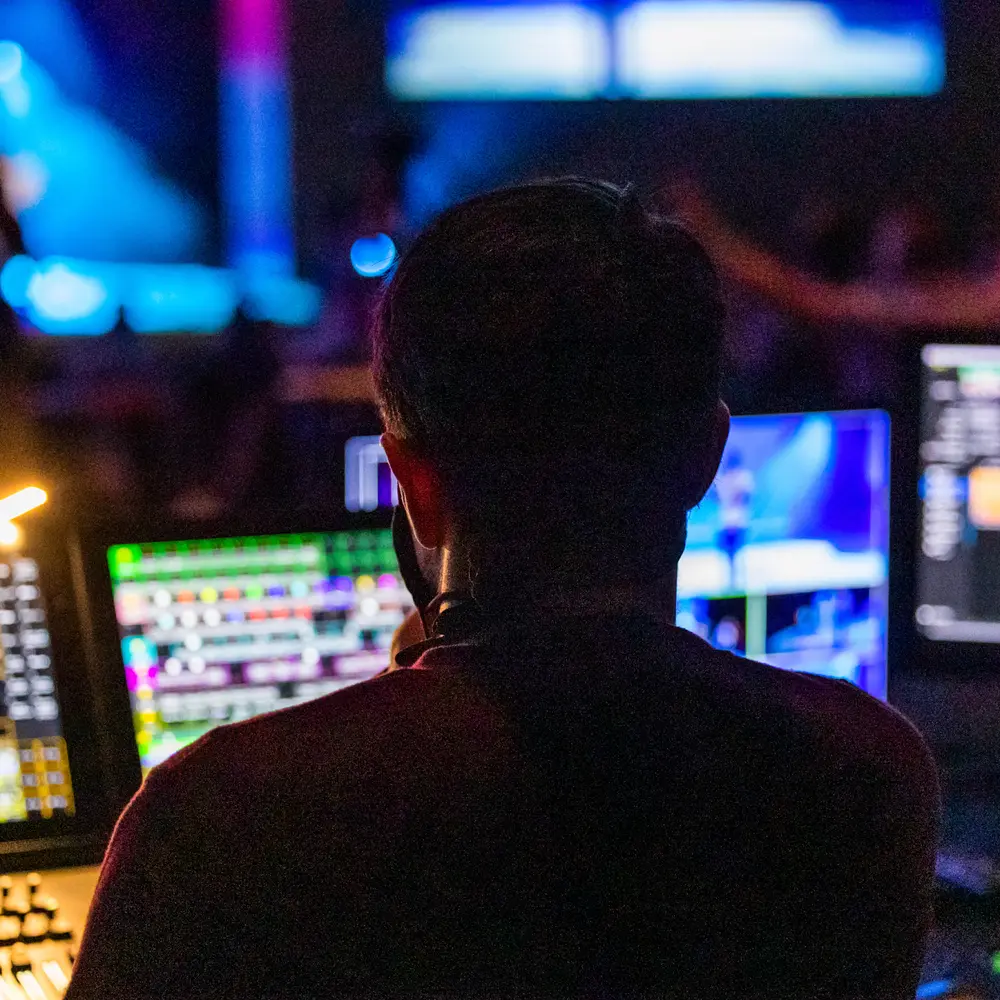
One of the most significant lifestyle changes in recent years is our relationship with screens. From smartphones and tablets to laptops and televisions, our screen time has skyrocketed.
Key Stats:
Key Stats:
- Children spend an average of 7 hours a day on screens.
- Office workers spend over 8 hours a day staring at computers.
2. Reduced Outdoor Time
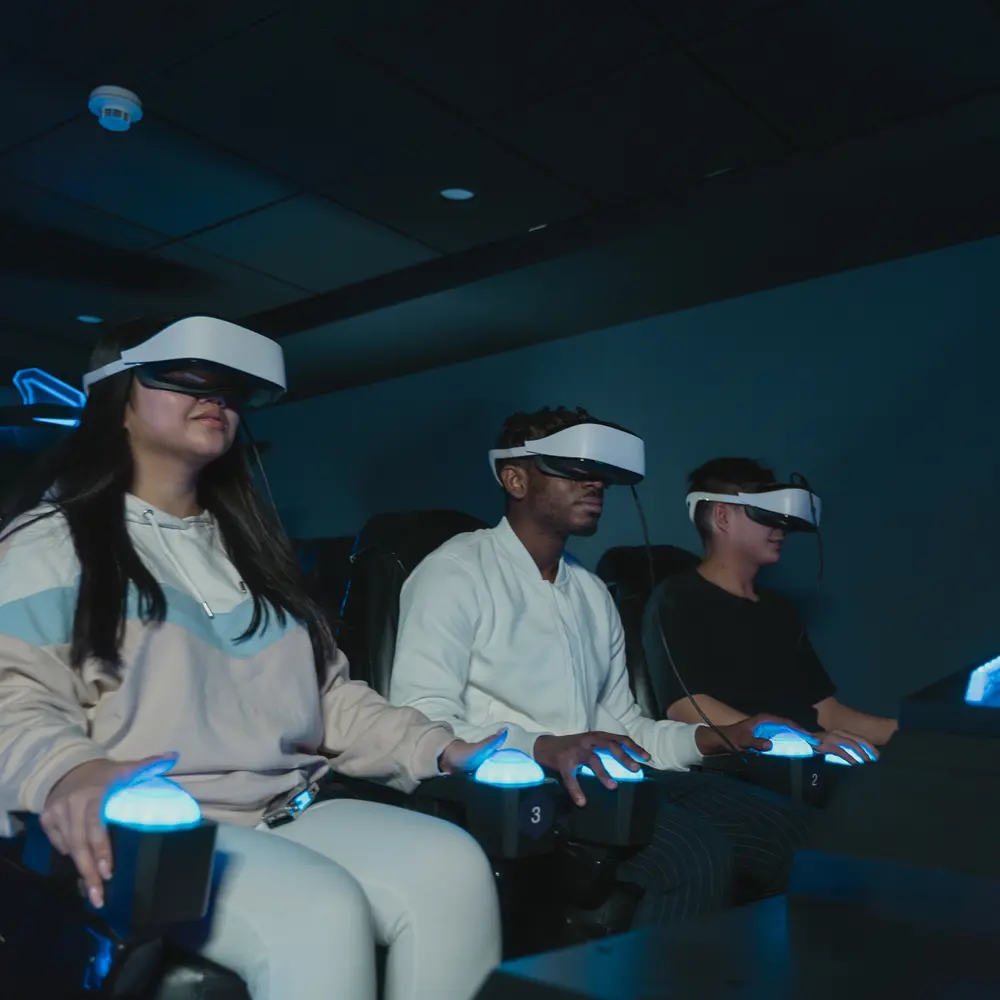
In the past, children spent hours playing outside in natural light. Today, structured indoor activities and digital entertainment dominate.
Why it matters:
Why it matters:
- Natural light is essential for healthy eye development in children.
- Studies show that children who spend more time outdoors are less likely to develop myopia.
3. Increased Academic Pressure & Close-up Work
Children now begin academic activities earlier, and with more intensity. The focus on reading, writing, and screen-based learning from a very young age means constant near-work for the eyes.
Impact:
Impact:
- Near-work activities increase the risk of developing myopia.
- The earlier the onset of myopia, the more severe it can become with age.
4. Poor Posture and Lighting
Many children and adults work or study in poor lighting or awkward positions, increasing visual fatigue.
Examples:
Examples:
- Reading in dim light
- Looking at screens while lying down
- Sitting too close to screens
5. Genetics and Hereditary Factors

While lifestyle plays a major role, genetics can’t be ignored. Children with one or both parents who wear glasses are more likely to need them too. However, lifestyle can either accelerate or delay the onset of hereditary vision problems.
6. Unhealthy Diets & Eye Nutrition Deficiency

Our fast-paced lives have brought with them unhealthy eating habits, including low intake of eye-friendly nutrients like Vitamin A, C, E, and omega-3 fatty acids.
Why it matters:
Why it matters:
- Nutritional deficiencies can weaken the retina and other parts of the eye.
- Poor diet may lead to dry eyes, fatigue, and reduced vision.
7. Lack of Regular Eye Checkups
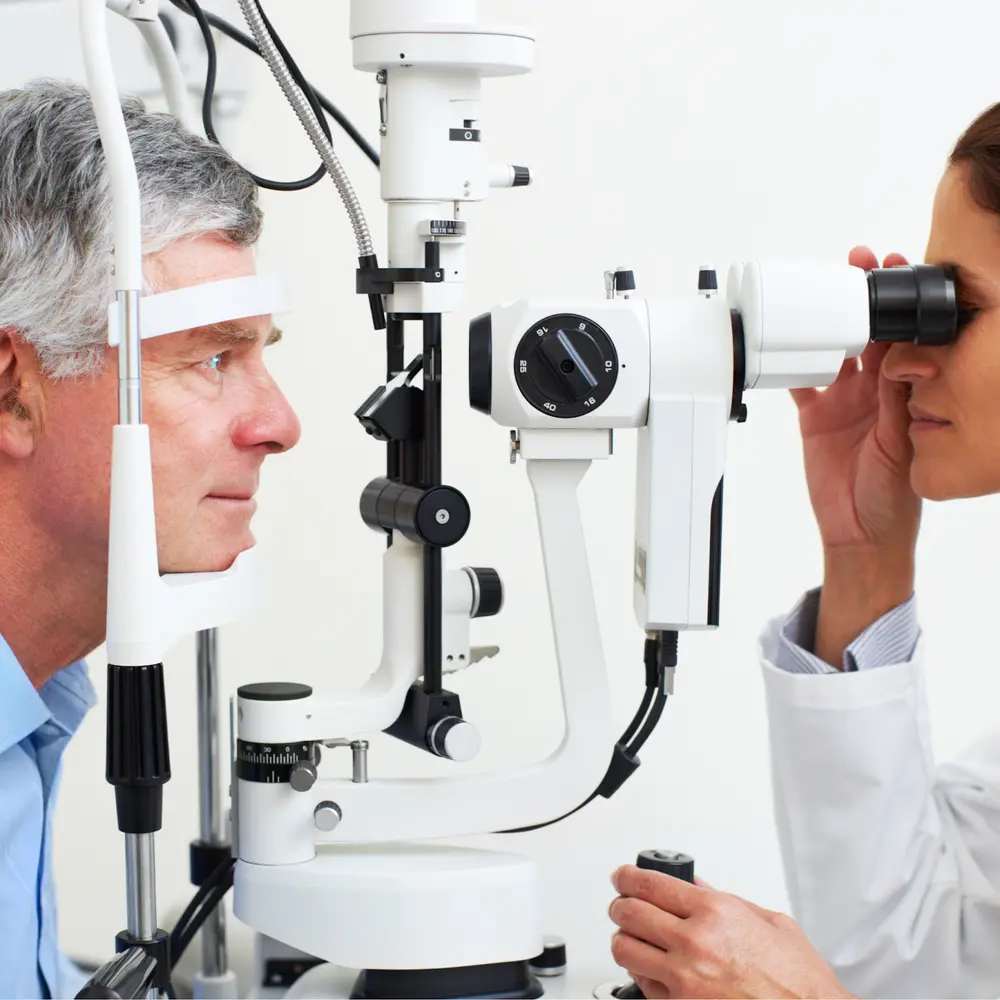
In earlier times, eye checkups were not routine unless one experienced serious vision issues. Today, many parents still delay taking their children for early vision screening.
Result:
Result:
- Early detection could prevent or reduce vision deterioration.
- Uncorrected refractive errors in children may lead to lazy eye (amblyopia).
8. Environmental Pollution and Eye Irritants
Urban living has increased exposure to pollutants, dust, and allergens, all of which can affect eye health. Constant exposure can lead to dry eyes, irritation, and long-term damage.
How to Fight Back: What You Can Do
Every 20 minutes, take a 20-second break and look at something 20 feet away to reduce eye strain.
Children should spend at least 2 hours outdoors daily to improve eye development.
Visit a certified eye care clinic like Medilaser for annual screenings.
Work in well-lit areas, and keep screens at eye level and at an appropriate distance.
Include leafy greens, carrots, fish, nuts, and fruits rich in antioxidants in your diet.
Reduce recreational screen time, especially before bed.
Install blue light filters on your screens to reduce digital eye strain.
Teach your children about the importance of eye health and habits that support it.
Conclusion: Eyes for the Future
The need for glasses has shifted from occasional to nearly universal due to changes in our lifestyle, work, and education patterns. But it’s not too late to act.
With timely checkups, lifestyle changes, and awareness, we can protect our vision and even slow down the progression of eye conditions.
With timely checkups, lifestyle changes, and awareness, we can protect our vision and even slow down the progression of eye conditions.
✅ Visit Medilaser – pioneers in laser vision correction and comprehensive eye care in India. Book your digital eye screening today and take the first step toward better eye health.