
Warning Signs & Symptoms of Retinal Detachment You Shouldn’t Ignore
What is Retinal Detachment?
- Rhegmatogenous: Caused by a tear or break in the retina allowing fluid to get under it.
- Tractional: Caused by scar tissue on the retina's surface, often due to diabetes.
- Exudative: Caused by inflammation or injury leading to fluid build-up under the retina.
Early Signs and Symptoms
1) Sudden Appearance of Floaters
Floaters are tiny specks or cobweb-like shapes that drift through your field of vision. While common with age, a sudden increase can be a red flag.
2) Flashes of Light (Photopsia)
Seeing light flashes in one or both eyes, especially in peripheral vision, could indicate that the retina is being tugged.
3) Shadow or Curtain Over Vision
Many describe it as a dark curtain falling over a part of their vision. This shadow often begins at the edges and moves toward the center.
4) Blurred or Distorted Vision
You may suddenly notice that your vision is not as sharp or straight lines appear wavy.
5) Reduced Peripheral Vision
You may lose side vision as the detachment progresses.
Who is at Risk of Retinal Detachment?
- Those with extreme myopia (nearsightedness)
- People over the age of 50
- Individuals who have had previous eye surgeries (e.g., cataract removal)
- Those with a history of eye injury
- Diabetic patients with retinopathy
- People with a family history of retinal detachment
Why Immediate Action is Critical
- Dilated Eye Exam: To view the retina more clearly
- Ultrasound Imaging: If the retina can't be seen directly due to bleeding or cloudiness
- Optical Coherence Tomography (OCT): A non-invasive scan providing detailed images of the retina
- Laser Surgery (Photocoagulation): Seals retinal tears before detachment occurs

- Cryopexy: Freezes the area around a retinal tear
- Scleral Buckling: A silicone band is placed around the eye to gently push the wall of the eye against the detached retina
- Vitrectomy: Removes the vitreous gel and replaces it with a gas bubble to hold the retina in place
Recovery and Aftercare Post-surgery, patients may need to:
- Maintain a face-down position (if a gas bubble was used)
- Avoid high altitudes or flying until the gas bubble is absorbed
- Use prescribed eye drops to prevent infection or inflammation
- Limit strenuous activities
Prevention Tips While not all cases are preventable, you can reduce your risk:
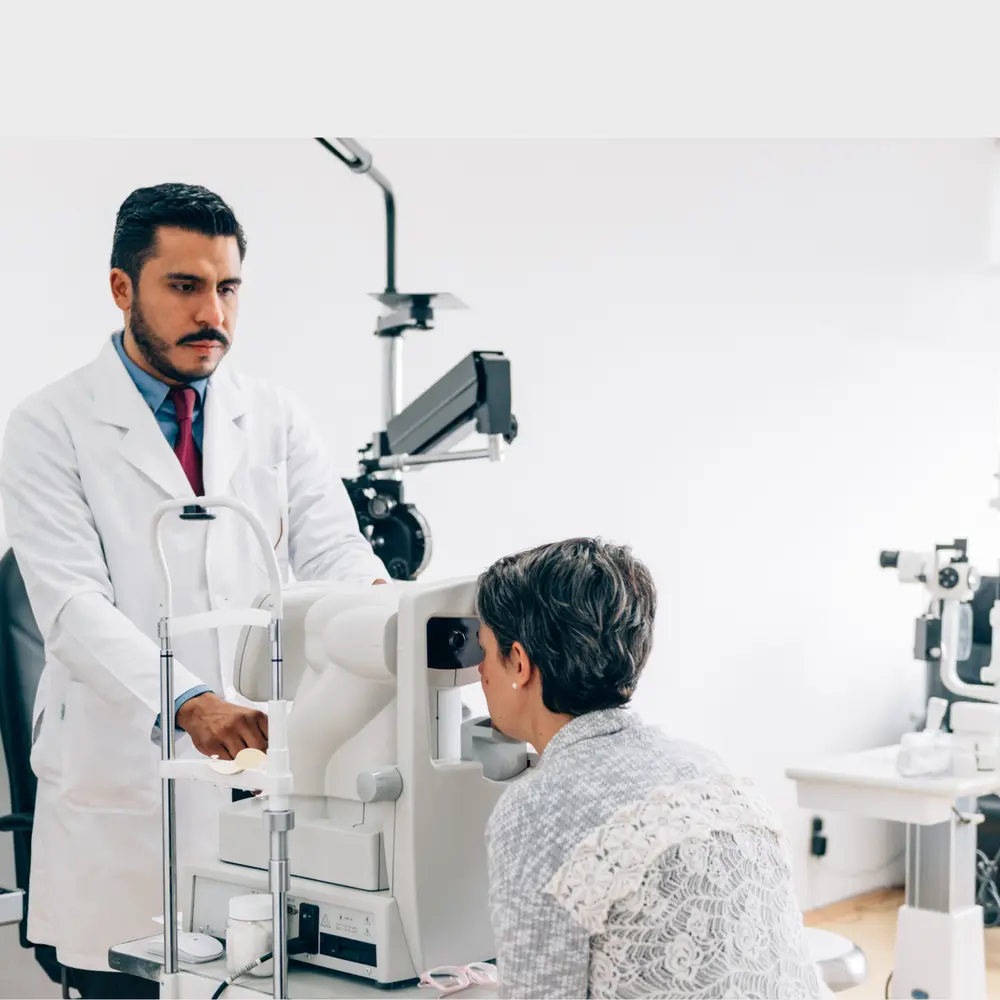
- Get regular eye check-ups, especially if you are high risk
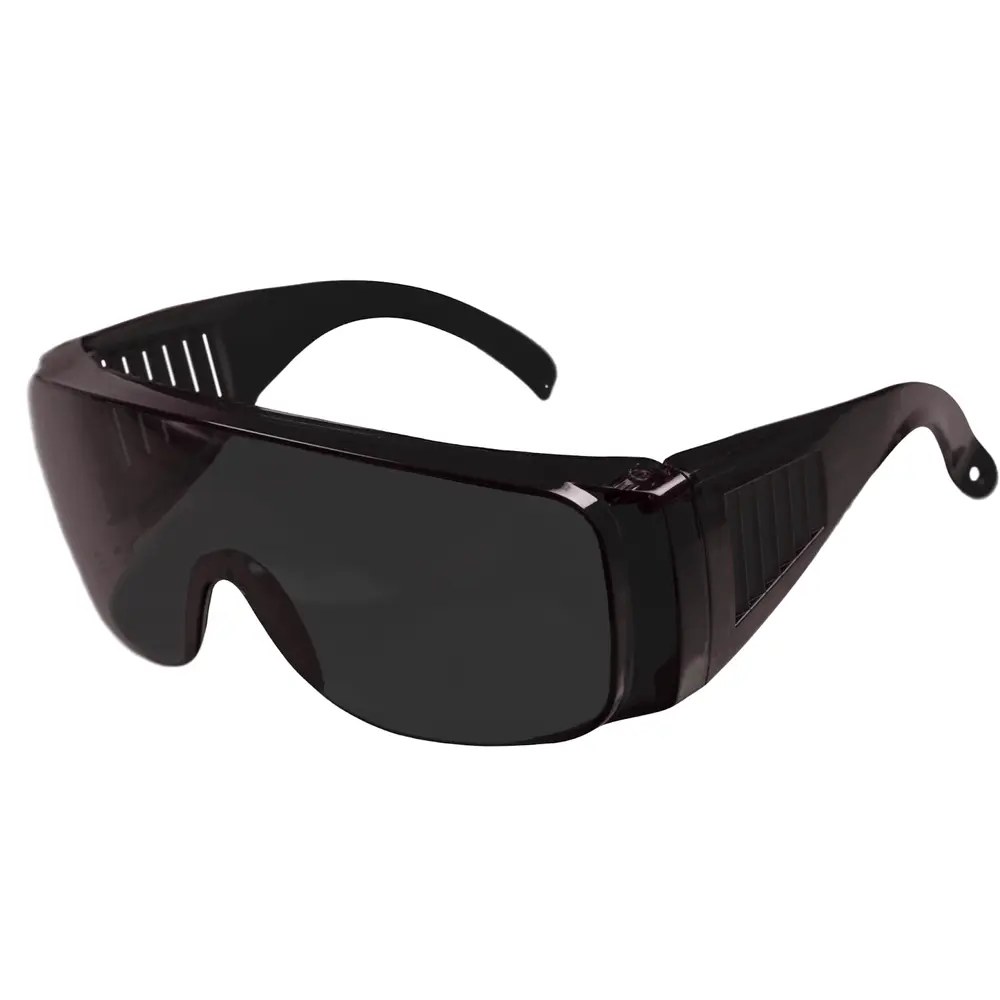
- Wear protective eyewear during activities that could result in trauma
- Control diabetes and manage blood sugar levels
- Seek immediate attention for any eye symptoms
Conclusion
📍 Concerned about vision changes?
Stay alert. Act early. Protect your vision.