
What Your Blurry Vision Is Actually Trying to Tell You
Have you recently noticed your vision becoming cloudy or unfocused? While it may be tempting to blame it on eye strain or a missed appointment with your optometrist, blurry vision could be a symptom of something much deeper. It’s your eyes’ way of telling you that something might not be right.
In this blog, we’ll explore the many possible causes behind blurry vision, when it’s a simple fix, and when it could indicate a more serious underlying issue. If you’ve experienced sudden or persistent blurry vision, it’s essential to listen to what your body—and your eyes—are trying to say.
1. Refractive Errors: The Most Common Culprit

The most common cause of blurry vision is an uncorrected refractive error, such as:
- Myopia (Nearsightedness) – You see nearby objects clearly, but distant objects appear blurred.
- Hyperopia (Farsightedness) – Distant objects are clearer than those up close.
- Astigmatism – Caused by an irregularly shaped cornea, leading to distorted or blurred vision at all distances.
- Presbyopia – An age-related condition where near vision becomes blurry, usually after the age of 40.
- Solution- A simple visit to an eye doctor and a new pair of glasses or contact lenses often solves the issue.
2. Digital Eye Strain: A Modern-Day Vision Enemy

our digital world, extended screen time leads to a condition known as Digital Eye Strain or Computer Vision Syndrome. It manifests as:
- Blurry vision
- Eye fatigue
- Dryness and irritation
- Headaches
Solution: Follow the 20-20-20 rule: every 20 minutes, look at something 20 feet away for at least 20 seconds. Anti-glare lenses, blue light filters, and regular breaks also help.
3. Dry Eyes: Not Just an Irritation
When your eyes don’t produce enough tears or the right quality of tears, they become dry and irritated—resulting in blurry vision. Dry eyes may be caused by:
- Age
- Certain medications
- Hormonal changes
- Prolonged screen use
- Environmental factors like air conditioning
Solution: Artificial tears, prescription eye drops, or advanced dry eye treatments available at Medilaser.
4. Cataracts: Clouding the Eye's Natural Lens
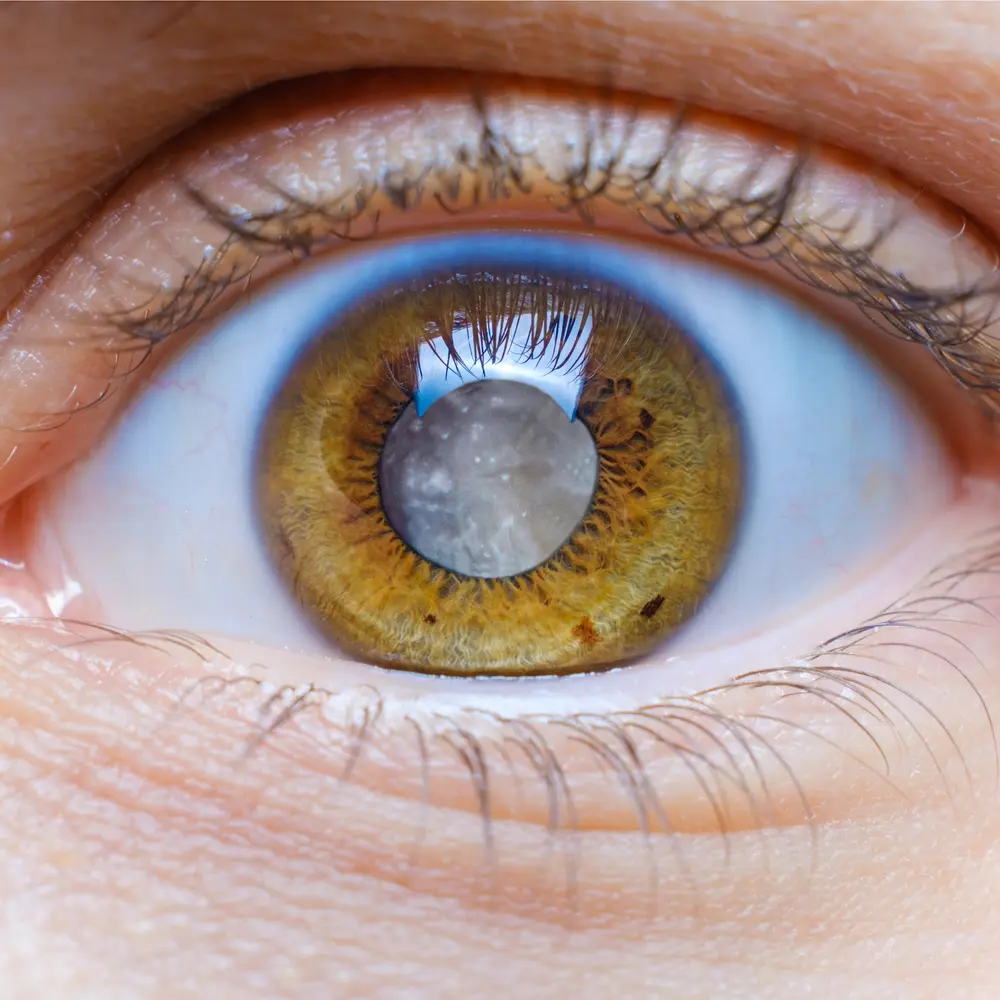
Cataracts are a natural part of aging, where the eye’s clear lens becomes cloudy, leading to:
- Blurry or foggy vision
- Increased sensitivity to light
- Difficulty seeing at night
Solution: Cataract surgery is safe, quick, and effective in restoring clear vision. If you’re over 50 and experiencing these symptoms, a cataract evaluation is recommended.
5. Glaucoma: The Silent Thief of Sight
Often symptomless in its early stages, glaucoma gradually damages the optic nerve due to increased eye pressure, resulting in:
- Blurry peripheral vision
- Halos around lights
- Tunnel vision in advanced stages
Solution: Early detection is key. Regular eye checkups, especially after age 40, can help detect and manage glaucoma effectively.
6. Diabetic Retinopathy: A Warning from Within
If you have diabetes, high blood sugar can damage the blood vessels in your retina, causing:
- Fluctuating or blurry vision
- Dark spots or floaters
- Vision loss if untreated
Solution: Tight control of blood sugar levels and annual diabetic eye exams. At Medilaser, we offer advanced diagnostics to detect early signs.
7. Macular Degeneration: Central Vision Loss
AMD affects the central part of the retina (the macula) and causes blurred or lost central vision. It is more common in older adults and can be:
- Dry AMD – Slower progression
- Wet AMD – Faster, more serious
Solution: Early diagnosis, lifestyle changes, and anti-oxidant/ anti-VEGF injections treatments can slow progression. Don’t ignore central blurry patches in your vision.
8. Eye Infections or Inflammation

Eye infections like conjunctivitis (pink eye) or uveitis (inflammation inside the eye) can lead to sudden blurry vision, often with redness, pain, or discharge.
Solution: Prompt treatment with antibiotics or anti-inflammatory medication can resolve these conditions quickly.
9. Neurological Causes: When the Brain Is Involved
In rare cases, blurry vision may be linked to neurological issues such as:
- Optic neuritis (inflammation of the optic nerve)
- Migraines
- Multiple sclerosis
These may come with other symptoms like pain, dizziness, or coordination issues.
Solution: Seek immediate medical attention if you suspect a neurological cause.
10. When to See an Eye Doctor Immediately
See a specialist right away if your blurry vision is accompanied by:
- Sudden vision loss
- Eye pain
- Flashes of light or floaters
- A curtain-like shadow over your vision
These could indicate a retinal detachment or other medical emergencies.
How Medilaser Can Help
If you’re experiencing any form of blurry vision, don’t ignore it. At Medilaser, our expert team of ophthalmologists uses advanced technology to diagnose the exact cause and offer customized treatment—whether it’s LASIK, cataract surgery, diabetic eye care, or dry eye management.
✅ Visit Medilaser – pioneers in laser vision correction in India ✅ Book your comprehensive digital eye checkup today ✅ Restore clarity, regain confidence!
Conclusion
Blurry vision isn’t just an inconvenience—it can be a sign of something more serious. The earlier you catch the root cause, the better your chances of preserving your eyesight.
Don’t wait for things to get worse. Your eyes deserve expert care.
Don’t wait for things to get worse. Your eyes deserve expert care.